
Four steps from a live source to a finished report.
Connect the numbers. Choose the story shape. Write the memo. Send a document people finish without opening a dashboard.
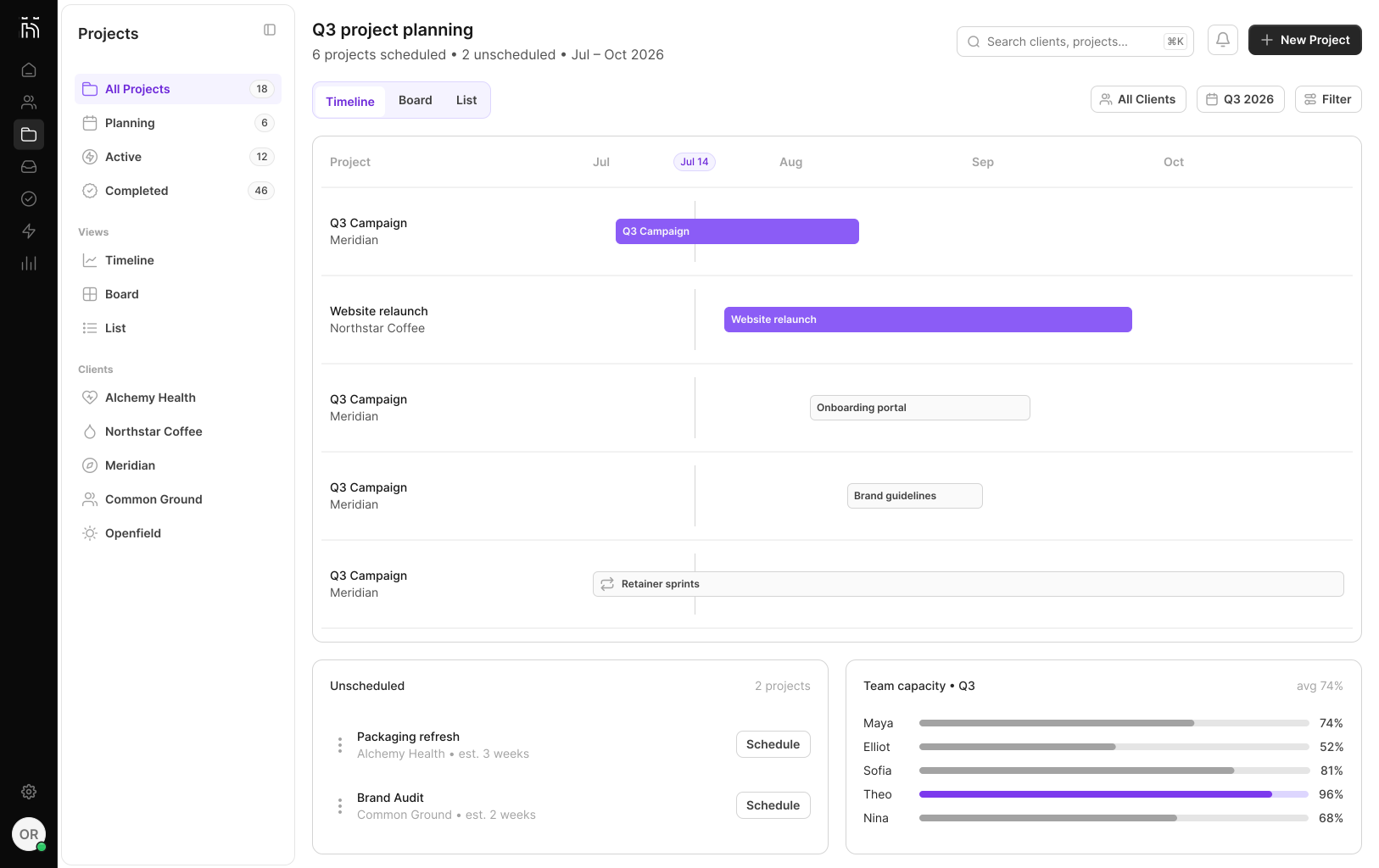
Start from the dashboard, CRM, spreadsheet, or database that already holds the numbers.
Weekly, board, and client shapes tell the writer which questions to answer first.
Draft, comment, and approve in one pass. Then send a document, not a login.
What moved, why it matters, and the next decision — in that order, every cycle.
Connect the source before you write a word.
- Map each field to the question the reader will ask
- Keep the same map so next week's numbers drop into the same questions
- Credentials, files, and source requests live with the report
- The first draft comes from the live source, not a blank page
- Name an owner, a deadline, and a review state before you write
- Handoffs for review are created with the draft
- Free proves one workflow. Paid seats keep multiple sources on the same desk.
- The source stays attached to the document you send
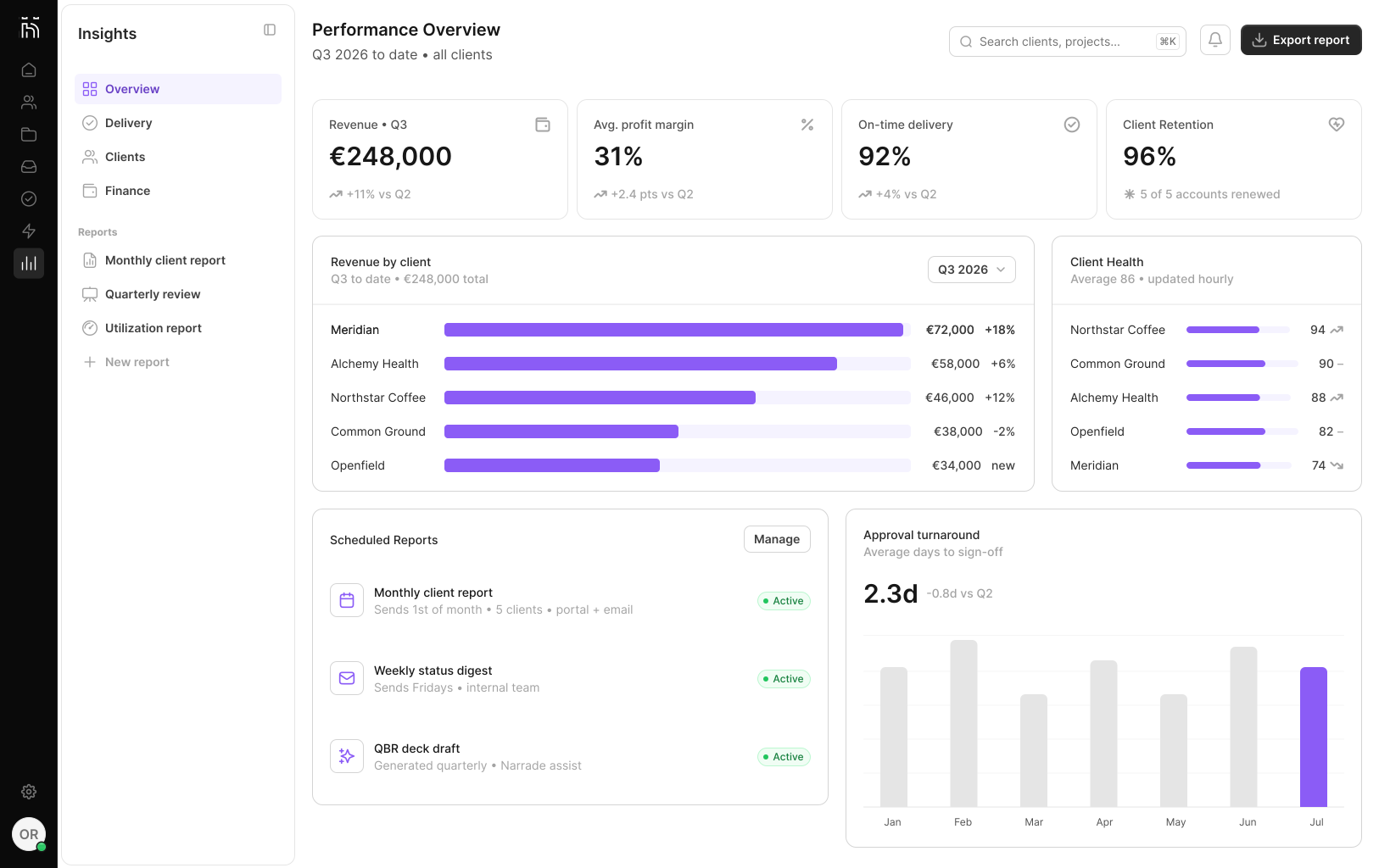
Review in one pass, then send the document.
- One desk for the draft, the comments, and who still owes a look
- See every report as a list, a board, or a timeline
- Keep figures and source status next to the paragraph they support
- Comment on the sentence, not on a screenshot
- The latest send version is always the one that is easy to find
- Named approvers, due dates, and a clear yes or no
- Revision notes and final sign-off stay on the document
- Internal notes stay on the draft until you mark it ready
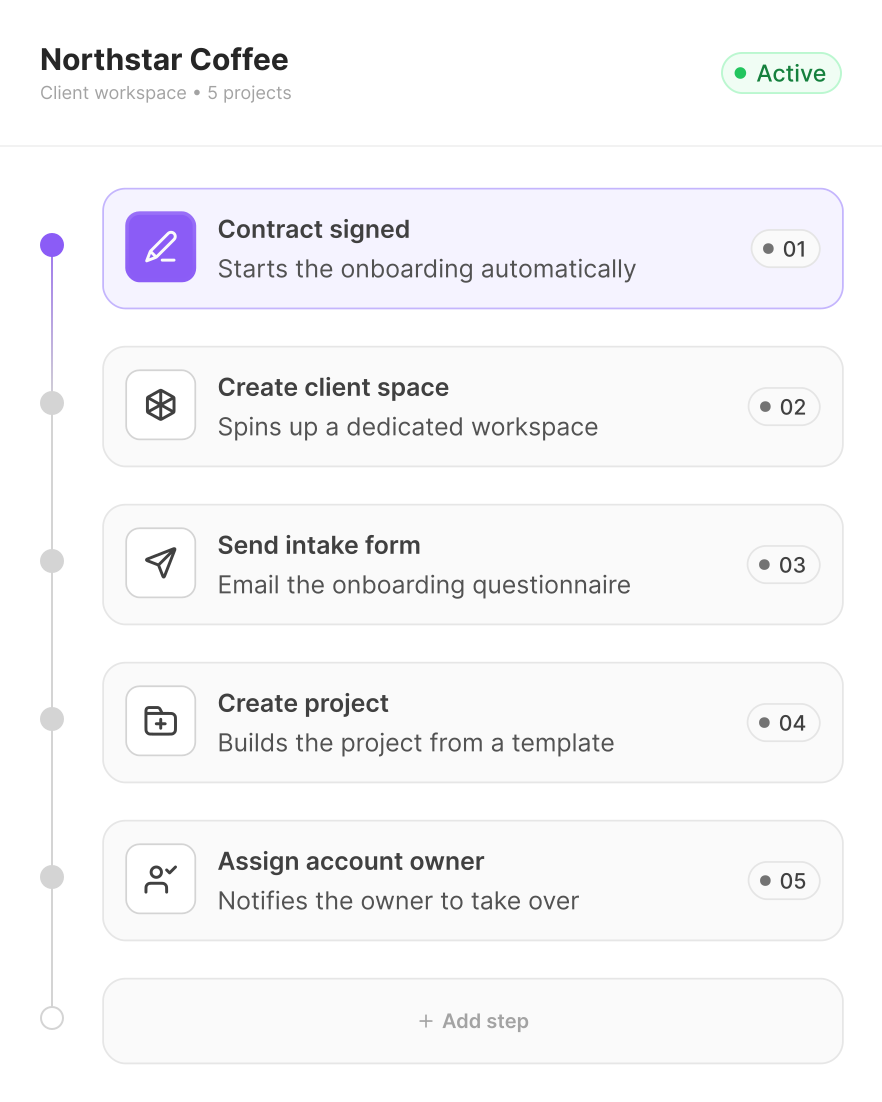
The write-up is the product. Charts stay in the margin.
- When the source updates, the next draft can start without a blank page
- Reminders for drafts, reviews, and the weekly send
- The same send shape, new numbers each cycle
- Weekly memo, board paper, and client narrative as starting shapes
- Alerts when a draft is late, a figure is missing, or review is overdue
- Operators see seats, sources, and what actually went out
- The narrative is written from the source you mapped
- Write in the language of the person who will actually finish it
Questions about turning data into reports people finish.
Narrade turns data from dashboards, CRMs, spreadsheets, and databases into written narrative reports. It explains what happened, why it matters, and what to do next.
Dashboards show charts. Narrade writes the story a non-technical reader will finish. It does not replace your analytics tools; it translates their output.
Mid-level operators who already have the numbers and need a fast way to write for a boss, a client, or a board. Readers arrive wanting clarity, not a tutorial.
A written document shaped by a storytelling template: the facts, what they mean, and a recommended next step, in the voice of the audience you name.
Free proves the idea on one source and a limited number of reports. Team adds unlimited reports, more sources, and collaboration. Studio adds custom templates and priority support. Scale is for more seats and tighter control.
Yes. Free is $0, with no credit card, one data source, and a limited number of report generations each month.
Yes. Start on Free and move to a paid seat when you need more sources, unlimited reports, or team review.
Paid seats can bill monthly or annually. Annual lowers the per-month rate. See the pricing page for the amounts shown for each plan.
Connect one source you already use, pick a template, generate a report, and read it with the person it is for. Once that loop works, reuse the template.
Yes. Point Narrade at a dashboard, CRM, spreadsheet, or database. You stay responsible for the accuracy of what you input.
Dashboards, CRMs, spreadsheets, and databases. We do not list vendor names that are not live connections.
Paid seats can comment, request a rewrite, and approve a report before it goes out. Working drafts stay off the record until you send them.